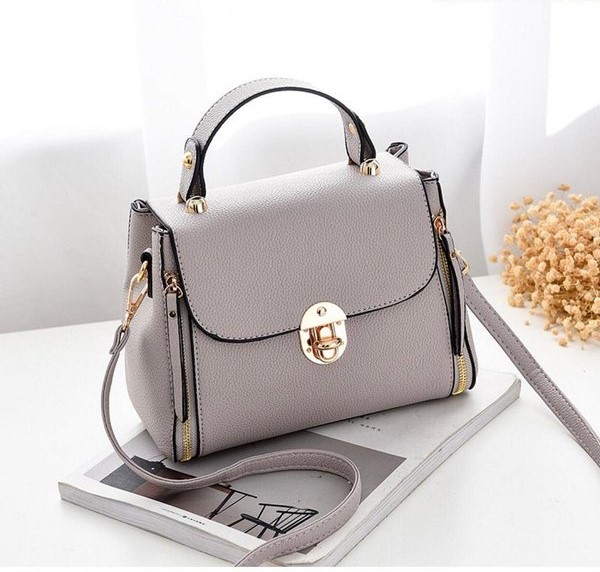
When it comes to the world of fashion accessories, few items hold the status and allure of designer bags. These luxurious items are coveted for their quality, design, and the statement they make. Yet, the high price point makes them inaccessible to many. Enter the world of first copy bags — the doppelgangers of high fashion that promise the look and feel of a designer label without the hefty price tag. But how do they really stack up against the originals? Let’s delve into the craftsmanship, materials, and overall value to see how first copy bags compare to their original designer counterparts.
Craftsmanship: Precision vs. Approximation
Designer brands are synonymous with meticulous craftsmanship. Each piece is often handcrafted by artisans who have trained for years to perfect their skills. The stitching, the lining, the placement of logos, and even the symmetry of the patterns on the material are executed with precision. Original designer bags are the outcome of hours of labor, ensuring that each bag is as close to perfect as possible.
First copy bags, although made to appear similar, usually lack this level of artisanal precision. They are typically mass-produced in factories where speed trumps precision. While some high-quality first copies may come close, upon closer inspection, one might find uneven stitching, minor flaws in the pattern alignment, or less than perfect logos. These discrepancies might not be noticeable at a glance, but to a discerning eye, they reveal the difference between a masterpiece and a mimic.
Materials: Authenticity vs. Imitation
The materials used in original designer bags are selected for their durability, texture, and overall quality. Genuine leathers, high-grade synthetics, precious metals, and stones are some of the materials that might adorn a designer bag, adding to its exclusivity and cost.
First copy bags often use materials that are a grade (or several) below those used by luxury brands. Faux leather may replace real leather, and plastic might take the place of metal. While these materials have improved over time, they often lack the same feel, weight, and aging properties of their genuine counterparts. Over time, the difference becomes more apparent as the bag wears and the quality of the materials begins to show.
Design: Originality vs. Imitation
Designer brands are not just selling a bag; they’re selling an experience, an emotion, and above all, a unique design. These designs are often the result of an extensive creative process involving research, trend analysis, and a deep understanding of the brand’s heritage.
First copy bags, on the other hand, are replicas based on existing designs. While they attempt to emulate the look and feel of the original, they often fall short on delivering the brand’s essence. The design of a first copy may look the part at first, but lacks the depth and story that come with a genuine designer piece.
Value: Investment vs. Expense
For many, an original designer bag is an investment. High-quality materials and classic designs can mean that these bags hold their value over time, with some even appreciating if they are limited editions or become vintage.
Conversely, first copy bags, while an inexpensive upfront expense, do not hold their value in the same way. They are not collectibles and are unlikely to become more valuable over time. Additionally, the lower cost might reflect on the longevity of the product, possibly resulting in a shorter lifespan.
Ethical Considerations: Legitimacy vs. Legality
There’s also an ethical dimension to consider. Original designer bags are made by companies that often have ethical labor practices in place and take responsibility for their environmental impact.
The production of first copy bags can sometimes be tied to unauthorized factories with questionable labor practices and a disregard for intellectual property laws. By purchasing a first copy, one may unwittingly support these unethical practices.
Conclusion: Reflecting on the Replica
First copy bags may fill a market niche, offering a taste of luxury at a fraction of the cost. However, they are not equivalents to the original designer brands in craftsmanship, material quality, design, and ethical production. While an original designer bag might require a larger financial commitment, it is an investment in quality, craftsmanship, and ethical consumerism.
Ultimately, the choice between a first copy and an original designer bag is personal and varies depending on individual priorities such as budget, value for craftsmanship, and ethical considerations. What’s clear, though, is that while the former offers a shortcut to a style statement, the latter is about embracing the entire luxury experience, with all the nuances that make designer items not just fashion, but art.
 Structured Way
Leave a comment