Illumination is just one aspect of lighting. It affects creativity, productivity, and mood. It is essential in an architectural office. Architects want clarity, accuracy, and a motivating atmosphere. Projects might be slowed down, fatigued, and less focused by poor illumination. Decision-making and visual accuracy are improved in well-lit areas. Every highlight and shade affect the way designs develop.
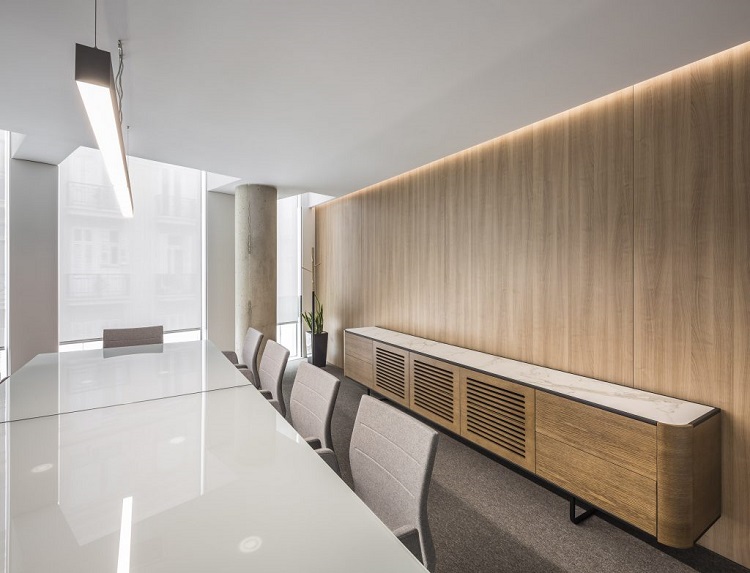
The unseen design companion is natural light
An workplace becomes a lively workstation when it is illuminated by daylight. Sunlight lessens eye strain and increases attentiveness. For precise color perception, architects depend on natural light. Exposure is maximized via windows, skylights, and open design. A properly designed oficina de arquitectura Valencia considers sun angles. Additionally, natural illumination enhances wellbeing and reduces energy expenses.
Task lighting improves accuracy
Not every work needs the same amount of light. Architects alternate between drawings, models, and screens. Focused task lighting enhances detail work and reduces glare. Desk lights that may be adjusted provide versatility for a variety of tasks. Layered lighting strikes a mix between style and utility. Errors are decreased and focus is sharpened with the proper light intensity.
Ambient lighting contributes to creating the ideal ambiance
A friendly atmosphere is essential for an architectural workplace. The basis for this ambiance is overhead lighting. A well-balanced setting is produced by soft, diffused lighting. An excessive amount of brightness may be stressful and uncomfortable. The use of warm colors creates a welcoming and polished atmosphere. A workplace with good lighting encourages innovation and collaboration.
The untold tale is told with accent lighting
There are focus spots in every workstation that are worthy of notice. Materials, sketches, and models are highlighted with accent lighting. It provides drama, depth, and contrast. Visual attention is produced by highlighting important regions. Highlights and shadows affect how space is perceived. Properly positioned lighting conveys a subtle but impactful narrative.
Architectural environments of the future are being shaped by smart lighting
Office settings are being revolutionized by technology. Different demands and times of day are accommodated by automated lighting. Sensors use the amount of natural light to alter brightness. Energy consumption is decreased via smart systems without compromising comfort. Lighting configurations may be customized by architects for particular buildings. Workflow efficiency is increased when technology and design are well balanced.
Conclusion
In an architectural workplace, lighting is a subtle but effective instrument. It has an impact on mood, concentration, and general productivity. A well-lit area promotes accuracy and inventiveness. Various lighting methods have distinct purposes. An everyday workstation becomes an exciting center when natural and artificial light are balanced properly.
 Structured Way
Leave a comment