As the colder months approach, many homeowners start preparing their homes for winter. But one area that often goes unnoticed is the crawl space. This part of your home plays a big role in overall comfort, energy efficiency, and structural safety. If water or moisture finds its way into your crawl space during winter, it can lead to problems like mold growth, poor air quality, and damage to your home’s foundation. Let us look at the important things you need to know about crawl space waterproofing and how you can get ready before the winter season sets in.
What Should Homeowners Know About Crawl Space Waterproofing Before Winter Arrives?
Signs You Need Crawl Space Waterproofing
You don’t have to wait until damage appears. Look out for these common signs that your crawl space might need attention:
- Damp or musty smell in the lower part of your home
- Mold growth on walls or insulation
- Standing water or visible moisture
- Cold floors during winter
- Insects or pests appearing in greater numbers
- Cracks in the foundation walls
If you notice one or more of these signs, it may be time to take action before winter makes the situation worse.
Methods of Crawl Space Waterproofing
There are several ways to waterproof your crawl space depending on the condition of the space and the type of foundation you have.
Sealing Vents and Openings
Open vents can let in outside air and moisture. Sealing these vents with covers can block cold air and moisture from getting in.
Encapsulation
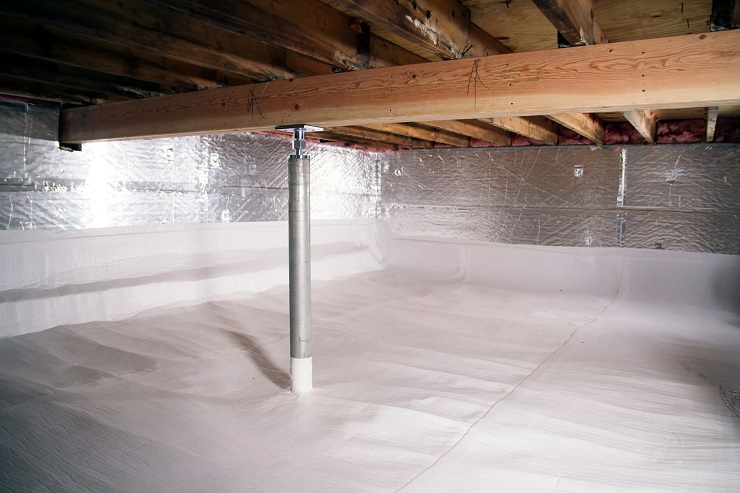
This involves covering the walls and floor of the crawl space with a heavy-duty vapor barrier. This barrier helps prevent moisture from entering the space and also improves air quality inside your home.
Installing a Sump Pump
If your crawl space is prone to water pooling, a sump pump can remove any water that collects. It helps in keeping the area dry during heavy rainfall or snowmelt.
Using a Dehumidifier
Even after sealing and encapsulation, humidity can build up. A crawl space dehumidifier helps control the moisture level and stops mold from forming.
Drainage System Installation
Adding a drainage system around the foundation can help carry water away from your home. This reduces the risk of water seeping into your crawl space.
Professional Help vs DIY
Some homeowners prefer to take care of basic maintenance on their own. But when it comes to waterproofing a crawl space, it’s best to get professional advice. A trained specialist will inspect your crawl space and suggest the right solution based on its current condition.
In areas with high humidity or frequent rainfall, like parts of Spain, working with experts in impermeabilizaciones Valencia can make a big difference. These professionals understand the local climate and the common problems homeowners face. They can offer practical solutions that help protect your home before the weather turns harsh.
Final Thoughts
Crawl space waterproofing is a practical step to keep your home in good shape during the winter. It helps improve indoor comfort, saves on heating costs, and prevents long-term structural issues. If you haven’t looked at your crawl space recently, now is the time to do it.
 Structured Way
Leave a comment