Personal identity has always played an important role in communication and presentation. Signatures have been used for decades as a symbol of authenticity and ownership. Today, a growing trend is bringing new attention to the way signatures are used in creative and branding contexts. Many individuals and businesses are beginning to explore the artistic potential of signatures through stamps. But does this approach offer real value, and how does it influence modern branding and personal expression? We shall discuss it in detail throughout this article.
What Is Signature Stamp Art?
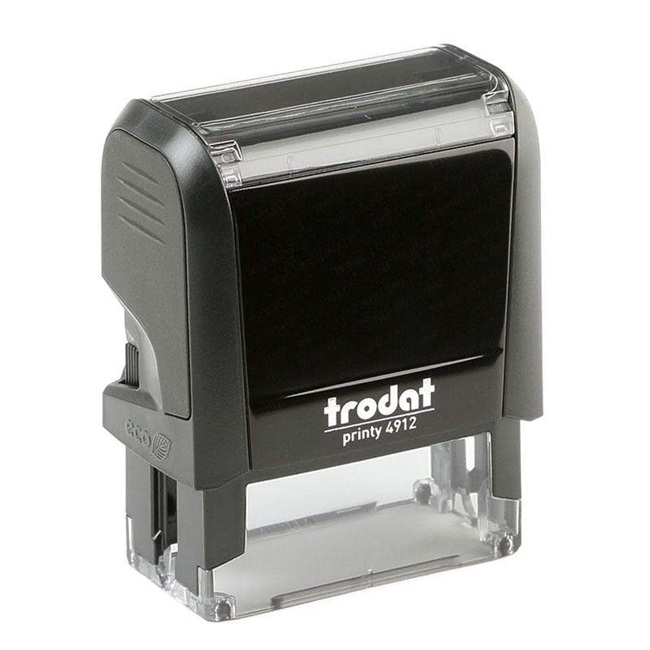
Signature Stamp Art refers to the practice of turning a handwritten signature into a visual element that can be reproduced through a stamp. It allows the signature to serve as a recognizable mark without relying on manual signing every time. Unlike traditional signatures used only for documents, this form of expression extends into creative and branding applications. People use it for packaging, crafts, stationery, certificates, and promotional materials.
Instead of using a plain signature, individuals can produce an artistic format that reflects their identity clearly. This helps in creating a consistent impression with every use while making the signature suitable for both practical and decorative purposes.
Why Is Signature Stamp Art Gaining Attention?
There are several reasons behind the increasing interest in signature-based artistic stamping. The primary factor is the rising preference for personalization. People want their branding elements to reflect their identity clearly and reliably. A stamp format allows them to apply their mark on different materials effortlessly.
Businesses also prefer clear and repeatable branding. Small-scale entrepreneurs, home-based sellers, and artists are using signature-based stamps to build recognition among their customers. Since the stamp can be applied multiple times without manual signing, it saves time and reduces the stress of frequent repetition.
Advantages of Using Signature-Based Stamps
• Consistent Identification
• Professional Presentation
• Time-Saving Application
• Easy Reproduction on Multiple Surfaces
• Cost-Effective Branding
Consistent Identification
Using a signature-based stamp helps maintain the same appearance every time it is applied. In manual writing, the shape and pressure can vary, especially when signing repeatedly. With a stamp, the impression remains uniform across different uses. This is important for branding since the same mark becomes familiar to the audience.
Professional Presentation
A clear and well-crafted signature-based stamp gives a refined appearance to packaging, letters, and printed materials. Businesses that ship products or send certificates can benefit from this presentation. Instead of printing a random symbol, the presence of a signature suggests authenticity and care in communication.
Time-Saving Application
Signing multiple items manually can be tiring and slow. In situations such as product labeling or certificate distribution, a stamp helps complete the task quickly. The signature format remains intact while reducing repetitive work. This is helpful for artists, teachers, small business owners, and craft sellers.
Easy Reproduction on Different Surfaces
A manual signature may not work well on all materials. Paper, cardboard, and textured surfaces can affect clarity. But stamp impressions are more adaptable and can be used on envelopes, product tags, journals, and packaging materials without losing readability.
Cost-Effective Branding
Many branding methods require printing or custom labels, which may involve higher expenses over time. A signature-based stamp is a one-time investment that can be used for long periods without replacement. This makes it an appealing choice for individuals and small businesses looking for practical marking methods.
How Signature Stamp Art Supports Creative Work
People involved in art and crafts often use signature-based stamps to finish their creations. Instead of signing each piece manually, applying a stamp keeps the artwork clean and avoids accidental smudging. It also gives the creator a recognizable mark that customers can identify easily.
Scrapbookers, journal enthusiasts, and calligraphy artists use signature-based stamps to personalize their work. Since the design originates from their own signature, it reflects their identity in every creation. Some use colored inks or decorative borders to add more visual appeal while keeping the stamp consistent.
Impact on Small Business Branding
Many small businesses rely heavily on customer trust. A signature stamp helps reinforce that the product comes directly from the seller. Handmade product sellers, candle makers, and bakery owners often apply their signature-based stamp on thank-you cards, notes, and packaging.
This creates a personal connection without spending extra effort. Customers appreciate receiving items that carry a personal mark rather than generic packaging. It strengthens recognition and encourages repeat purchases.
Future Possibilities for Signature-Based Stamps
The concept is slowly expanding beyond traditional uses. Digital tools allow people to convert their signature into printable or embossed formats. Some companies are developing advanced stamp styles that offer greater clarity and durability. There is also an increasing interest in using signature-based stamps on wooden items, fabric tags, and custom merchandise.
As more people explore creative branding methods, Signature Stamp Art may continue gaining relevance in both personal and professional settings.
Conclusion
Signature-based artistic stamping is offering a practical and visually appealing method for expressing identity. It allows individuals and businesses to present their mark consistently without manual effort. From saving time to improving presentation, the advantages are noticeable across different uses. Whether applied to packaging or creative projects, this approach helps establish recognition in a simple and effective manner. For those looking to adopt a reliable marking method that reflects personal identity, this practice can be a helpful choice.
 Structured Way
Leave a comment