Early childhood is a critical stage where children begin learning how to interact with others, express thoughts, and respond to emotions. During this phase, play becomes one of the most effective learning tools. Toys act as practical aids that allow children to practice communication, cooperation, and problem-solving in natural ways. Similar to how toys help kids in early education by supporting cognitive growth, they also play a direct role in shaping social behavior. By observing how children play with toys, parents and educators can understand how social skills are formed and strengthened over time.
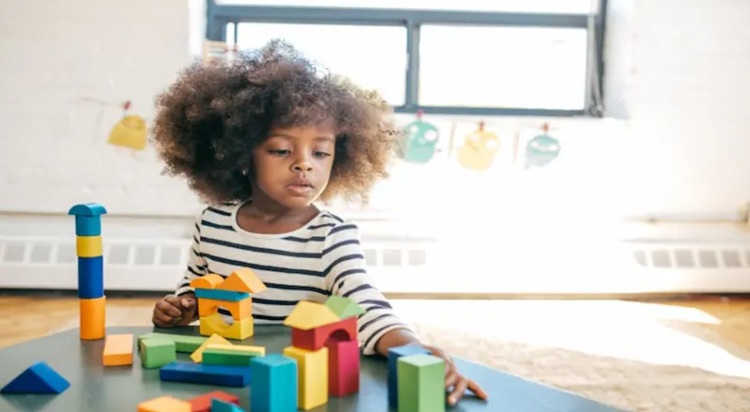
How Toys Contribute to Social Skills Development
Toys support social development by encouraging interaction rather than passive engagement. When children play together, toys create situations where they must share space, take turns, and communicate ideas. This mirrors real-life social settings in a simplified form. Through repeated play, children become familiar with group behavior, expectations, and basic social rules. The learning happens gradually and through practice, making toys effective tools for early social learning.
Encouraging Communication Through Play
Many toys naturally promote verbal and non-verbal communication. Board games, pretend play sets, and building blocks require children to explain ideas, ask questions, and respond to others.
When children play with peers, they learn:
- How to express needs clearly
- How to listen and respond
- How to use gestures and facial expressions
For example, pretend kitchens or doctor sets encourage role-based conversations. Children assign roles, explain actions, and negotiate play scenarios. This repeated interaction improves vocabulary, sentence formation, and confidence in speaking with others.
Teaching Sharing and Turn-Taking
One of the earliest social challenges for young children is learning to share. Toys provide a clear and practical way to practice this skill.
Games that involve:
- Passing pieces
- Waiting for turns
- Using shared resources
help children understand patience and fairness. At first, children may struggle, but repeated exposure through play builds acceptance of shared playtime. Over time, children begin to follow rules without constant adult guidance, showing progress in self-control and cooperation.
Building Cooperation and Teamwork
Group-based toys encourage children to work together to reach a common goal. Puzzles, construction sets, and collaborative games require planning and coordination.
Through cooperative play, children learn:
- How to divide tasks
- How to accept help
- How to handle disagreements
These interactions reflect real social situations where teamwork is required. Children begin to see value in listening to others and adjusting their actions for group success.
Developing Emotional Awareness and Empathy
Toys also help children recognize emotions in themselves and others. Dolls, figurines, and storytelling toys allow children to act out situations involving happiness, frustration, or concern.
By replaying familiar experiences, children:
- Identify emotions
- Learn appropriate responses
- Practice comforting or helping others
This form of play helps children understand that others may feel differently than they do. Over time, this awareness supports empathy and better emotional control during social interactions.
Supporting Conflict Resolution Skills
Disagreements are common during play, especially in shared settings. Toys create opportunities for children to face small conflicts and learn how to manage them.
With guidance, children learn to:
- Discuss problems
- Suggest solutions
- Compromise when needed
For example, deciding who uses a toy first or how a game should proceed helps children practice problem-solving without emotional escalation. These small experiences prepare them for more advanced social situations later.
Role of Adults in Guiding Toy-Based Social Learning
While toys provide the setting, adult involvement helps reinforce learning. Parents and educators can support social development by observing play and offering gentle guidance when needed.
Helpful actions include:
- Modeling respectful communication
- Encouraging inclusive play
- Reinforcing positive behavior
Adults should allow children to explore social situations independently while stepping in only when necessary. This balance helps children gain confidence in managing interactions on their own.
Conclusion
Toys play a practical role in helping children develop social skills during early childhood. Through shared play, children learn communication, cooperation, empathy, and conflict management in ways that feel natural and engaging. Just as how toys help kids in early education by supporting learning readiness, they also shape how children relate to others. By choosing toys that encourage interaction and providing supportive guidance, parents and educators can help children build strong social foundations that benefit them well beyond early childhood.
 Structured Way
Leave a comment