Handling large amounts of paperwork is a daily task in many offices. Documents must be signed, dated, and approved without delay. When this process is repeated dozens or hundreds of times a day, even small actions begin to consume significant time. This raises a practical question. Can a self inking signature stamp reduce effort and improve speed in high volume paperwork?
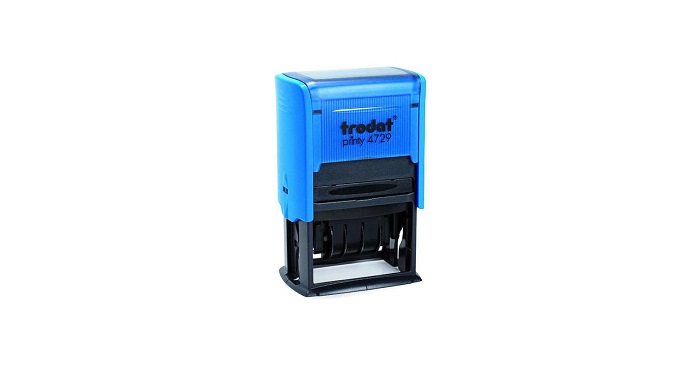
Can a Self-Inking Signature Stamp Save Time in High-Volume Paperwork?
Time Spent on Manual Signing
Manual signing appears quick at first glance. However, the time adds up when documents are processed in bulk. Each signature involves picking up a pen, placing the document correctly, signing, and setting the pen aside. Repeating this action hundreds of times introduces fatigue and slows down workflow.
There is also the risk of inconsistency. Hand signatures may vary in size or placement, especially during long hours. This can lead to rejected paperwork or requests for correction, adding further delay.
How a Signature Stamp Improves Speed
Using a self inking signature stamp reduces the signing action to a single press. The document stays in place and the imprint is applied instantly. This shortens the time required per document and allows staff to move through stacks of paperwork with less interruption.
Over the course of a day, this time saving becomes measurable. In departments such as accounts, administration, or logistics, even a few seconds saved per document can free up hours each week.
Consistency in High Volume Use
Consistency is important in official paperwork. A stamp produces the same signature every time, in the same position and size. This uniformity helps maintain document standards and reduces the chance of errors being flagged during review.
When using Signature Stamps with date, the benefit increases further. Date stamping alongside the signature removes the need to write dates manually. This is useful for approvals, dispatch records, and compliance documents where timing matters.
Practical Use Cases
Self inking signature stamps are often used where signatures confirm routine actions rather than personal consent. Examples include approving invoices below a set value, marking documents as reviewed, or authorizing standard letters.
They are also useful in environments where multiple documents must be processed within a short window. During audits, month end closures, or bulk dispatch operations, stamps help maintain pace without reducing accuracy.
Security and Control Considerations
While speed is a clear advantage, control over the stamp is necessary. Access should be limited to authorized staff only. Many offices store the stamp in a drawer or assign responsibility to a specific role. This prevents misuse and maintains accountability.
For added control, some teams use separate stamps for different purposes. This helps distinguish approvals and reduces confusion during audits.
Is a Signature Stamp Right for Every Office?
A self inking signature stamp works best for repetitive and standardized tasks. It may not suit documents that require personal review or legal validation through handwritten signatures. The decision depends on document type and internal policy.
For offices dealing with high volume paperwork on a daily basis, the stamp serves as a practical tool rather than a replacement for judgment.
Conclusion
A self inking signature stamp can save time in high volume paperwork by simplifying repetitive actions. It reduces manual effort, improves consistency, and supports faster document processing. When combined with clear usage rules and proper storage, it becomes a reliable part of everyday office workflow.
 Structured Way
Leave a comment